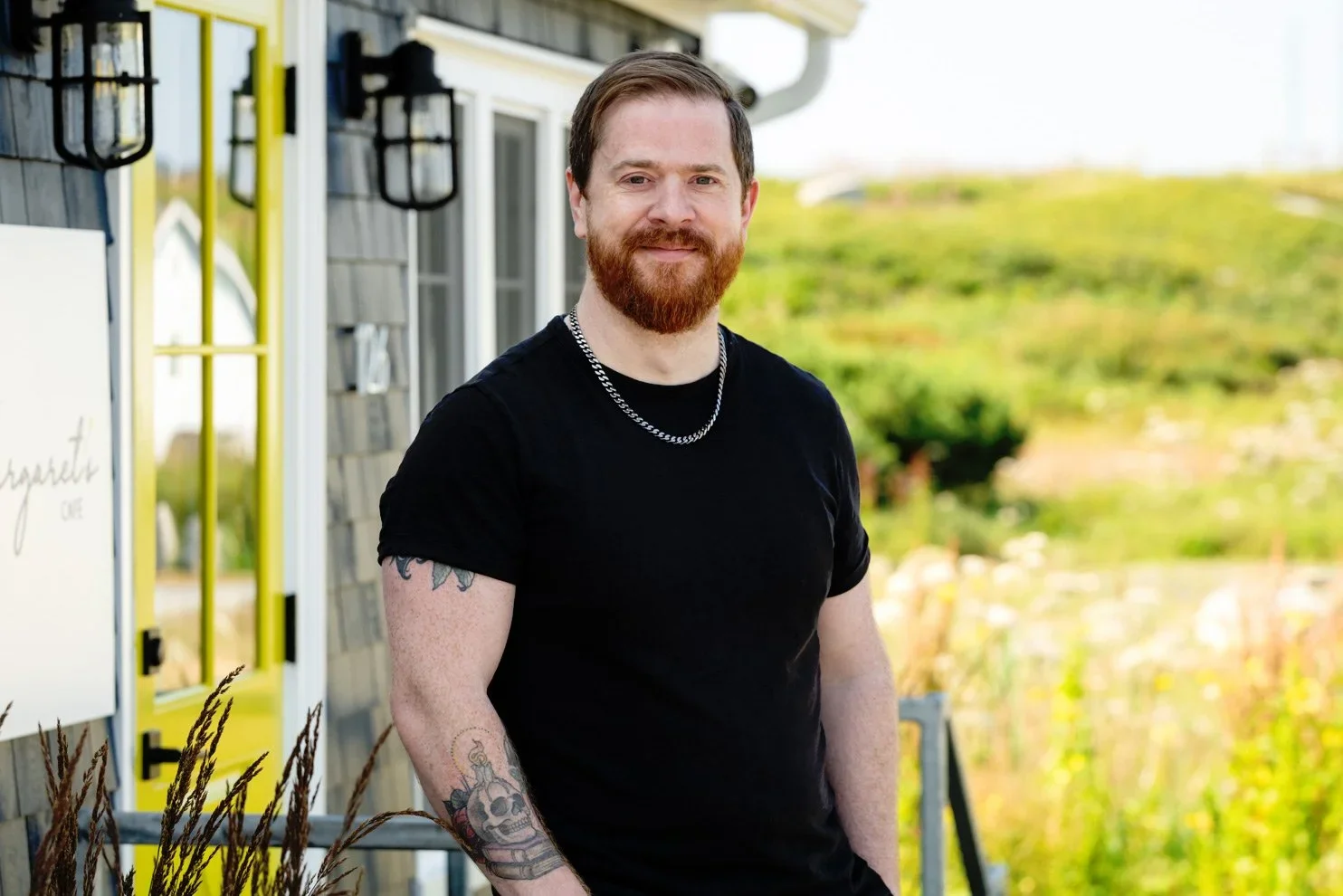
how a consistent brand creates a confident customer
I often joke that one of my partner’s great qualities is how cheap a date she is. However, her affinity for fast-casual, quick-serve restaurants has more to do with sensory processing than budget.
For people like my wife with high sensory sensitivities, sitting in a restaurant can be an anxiety-inducing experience: tables too close together, a menu with inconsistent fonts, visual clutter that doesn’t match the overall brand, or inconsistent food prep that results in a dish that tastes different each time you have it are things that need to be taken into consideration.
The way her brain works, with qualities that make her such an effective digital marketing strategist, can turn new dining experiences into a sensory nightmare.
It means we end up eating at the same restaurants in rotation: Jukai, Mezza, Talay Thai, Buta Ramen. Each establishment fits neatly within the defined margins of what my wife prefers, all of them offering a large enough menu that I, too, never get tired of them.
As a brand designer in the industry for 20 years, I’ve grown to love the consistency of a well-maintained brand, the way I love searching for places out of town where I believe my partner will enjoy dining.
Understanding Brand Standards or Guidelines for the non-designer
But brand standards are the answer to a specific problem: you built something, you know what it means, and now you need to maintain it across multiple teams and use cases without having to re-explain every time you onboard someone new.
Every visual decision you make from your colours, your type, the way you use photography, and the amount of space around your logo accumulates into something your audience recognizes. They may not be able to name what they're responding to, but they feel it when it's consistent, and it affects their view of your business when it isn’t.
Brand standards are how you protect the feeling your brand represents at scale.
While I’ve always loved brand standards because they represent a set of instructions that make working on multiple projects streamlined in a way that doesn’t diminish the brand voice or visuals, I love them even more after seeing how a well-maintained brand can create an atmosphere that is welcoming and visually safe for people who find inconsistency intolerable.


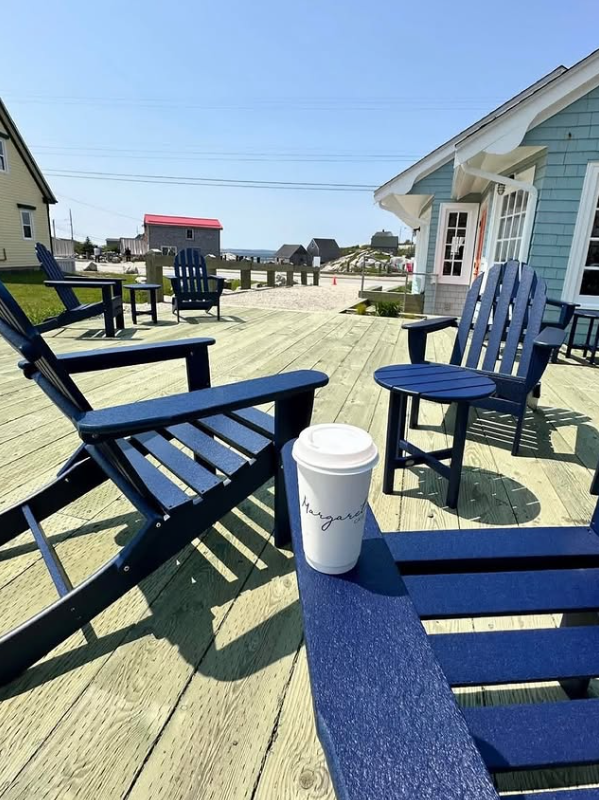
Source: Instagram
Brand guidelines only work if the company maintains them across channels
When new clients come to me to develop their brand, they often think only of the logo. However, a logo is not just the icon on your business card; it's how you communicate your brand's story and values to your customer before they've interacted with your business.
Brand standards are the documentation of how that communication is supposed to work, written clearly enough that someone who wasn't in the room when you made the decisions can apply them correctly to maintain the visual brand and brand voice across any and all communication channels.
A well-designed brand standard will include the logo placement and application, as well as the rules and guidelines for how the brand voice appears online and in print; key phrases used across all materials; and standards for both stock and brand-specific photography.
More and more often, they’re including a set of instructions written by an AI specialist to make sure even AI prompts are following the same set of rules.
The mistake many brands make is thinking that a brand standard is a PDF that comes with their logo files, which they read once, upload into their marketing drive, and hand off to anyone who asks for it. (To prevent this, I include training with every brand guidelines delivery to make sure at least one person on the team can maintain the guidelines as the brand grows.)
Brand guidelines can feel like a hindrance to new designers who want to push the boundaries of what is possible. The constraints of a brand guide can make them feel limited, and often they find themselves breaking or ignoring the guidelines, when a gentle nudge outside those limitations is all that's needed to make a campaign stand out.
By ensuring that at least one person on the team understands how to maintain the brand guidelines, they can recognize when those rules are being pushed for a specific reason or broken in a way that would harm the brand's integrity.
Brand standards affect how the audience experiences your product over time
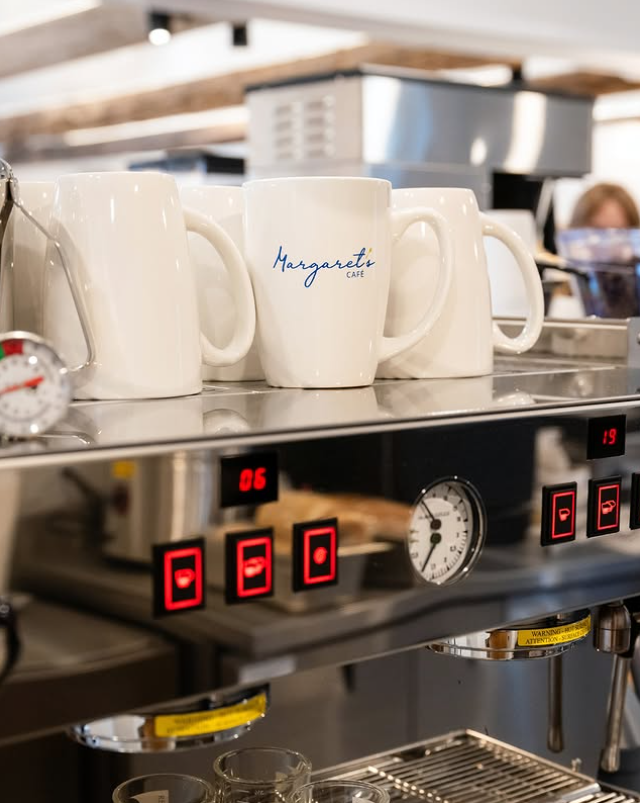
Going to a coffee shop is almost always a safe bet with my partner. She loves a cafe date more than anything, which makes the branding for Margaret’s Cafe, a newly opened Peggy’s Cove cafe under the Six By The Sea umbrella, one of my favourite recent projects.
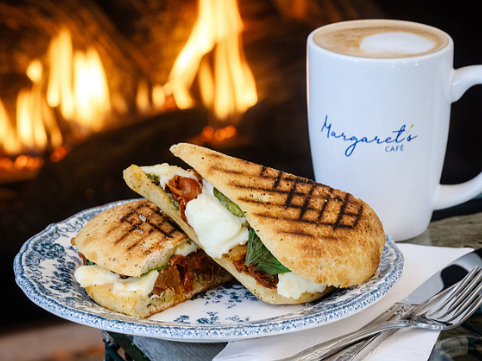
We went to Margaret's Cafe together, not long after their grand opening. Watching her settle into a cafe under the signage I’d designed, order the same thing she'd tried from the pre-opening tasting, and get exactly what she expected: that is a brand standard working the way it should.
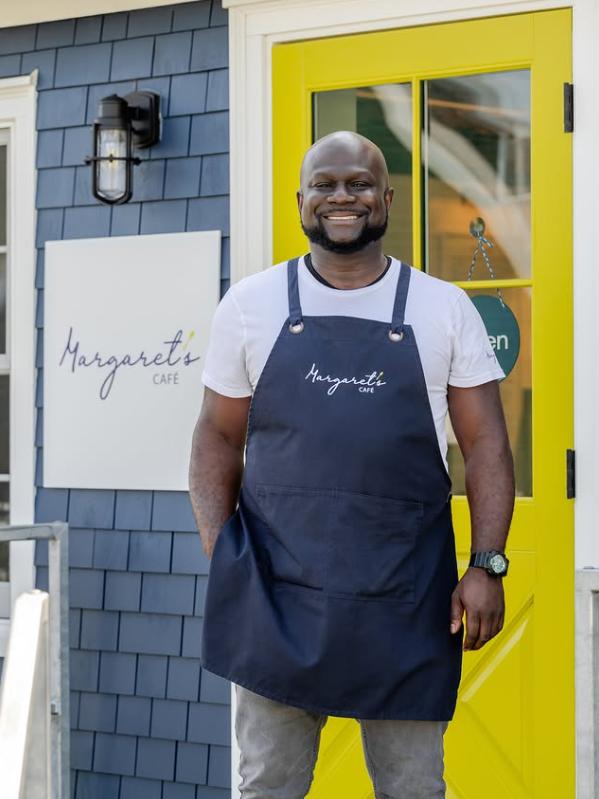
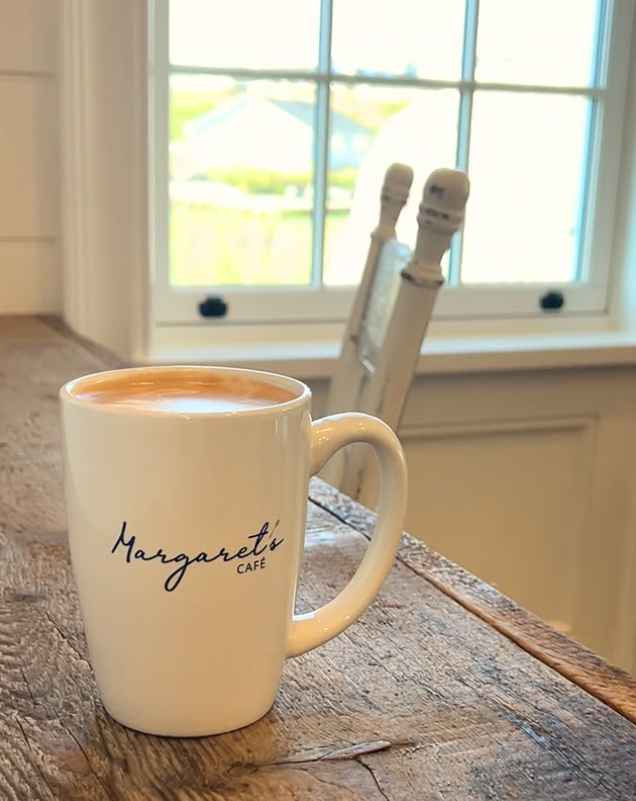
It wasn’t just the logo on the cup, the cup matching the napkin sitting under her cookie or the menu that clearly labelled the Chai as a bag-tea latte. The brand standards we built included wayfinding signage, so no one needed to ask where the bathroom was, and displayed hours to keep staff from having to over-explain when it was time to close. It was the aprons each staff member wore so you didn’t accidentally ask another visitor a question about the menu.
Each of these parts, obvious as they may seem, was thought out as a part of the language of the brand. I was happy to be a part of building the brand standards, from the logo design to the menus and language used, in collaboration with the rest of the marketing team, the cafe manager and the chef.
I have decades of experience naming the usually invisible and unnamed interactions people have with a brand. Because watching a person who has a hard time going to new places settle immediately into a cafe to enjoy her book for an hour is what a well-thought-out brand standard looks like in action. The interaction landing the same way each time a person interacts with the business, even if they aren’t as peculiar as my partner.
How unmaintained brand standards erode the trust of your customer
The opposite experience doesn’t make a bad restaurant necessarily. Not everyone is as sensitive to these things as my partner. I have a long list of places that exist on my partner’s blacklist because her favourite soup changed based on who was working that night.
But an unmaintained brand is a lot like a menu that changes based on the cook who’s working that night.
It usually starts in the small things: someone needs a graphic done quickly and pulls the low-res logo from the website because nobody sent them the right file. Someone eyeballed the font without checking the brand document. The colour is approximately right, sampled from a previously used web graphic.
None of these decisions is made with bad intentions. The person making them is doing their best with what they have in front of them.
However, these choices are compounded over time. A second location opens, and the signage vendor works from a brief based on materials that are already in the approximate version.
A seasonal hire starts posting on the brand account using a template they built themselves because no one left them one.
A year later, the brand is starting to feel like a collection of fonts and colours, close enough but not quite matching what is in the document no one has opened in over a year sitting in the marketing drive.
The business owner usually knows something is wrong before they can name it. The new location doesn't quite match the original. The social feed feels inconsistent in a way that's hard to articulate. It ends up on my desk as a full brand overhaul, when it could have been maintained.
Six brands under one visual language
In the summer of 2023, I was introduced to the owner of Six By The Sea through some freelance work with my partner. Her client needed a quick turn-around on a poster design for The Schoolhouse and I came on board to work with them to hit the deadline.
They were happy enough with the project to come back to us for additional projects, and ended up bringing me on full-time to work on their brands.
Six By The Sea is a group of six distinct hospitality businesses operating in the Peggy's Cove area, each with its own personality, audience, and physical environment. While all of them exist within the Tourism umbrella, they each have a sub-audience of locals as well.
My role grew from building their websites into developing a visual identity system maintained across all six businesses simultaneously.
The challenge was building six brands that each felt complete and distinct on their own terms, while still belonging to the same family.
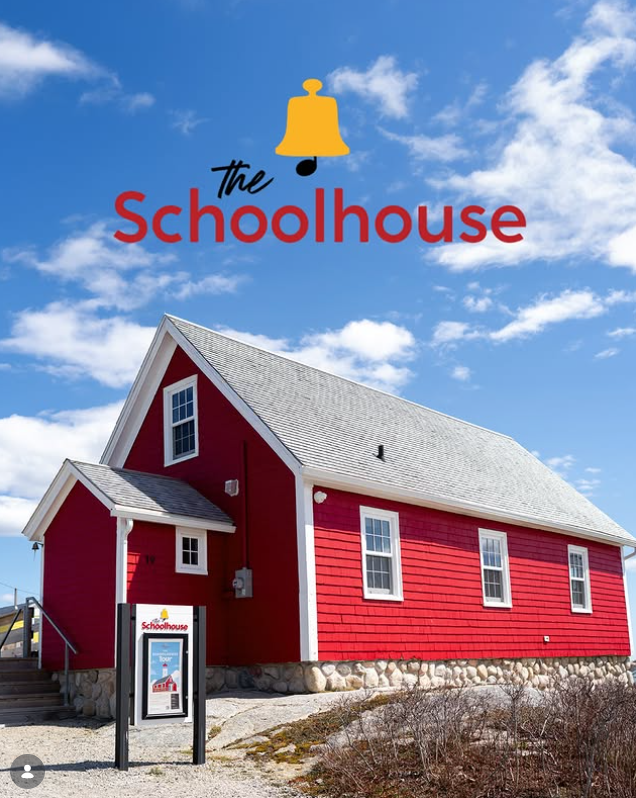
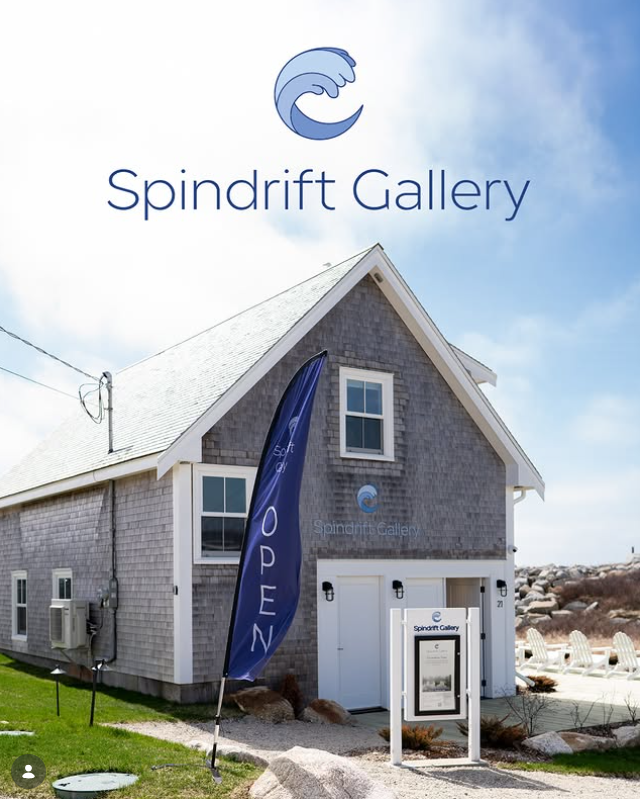
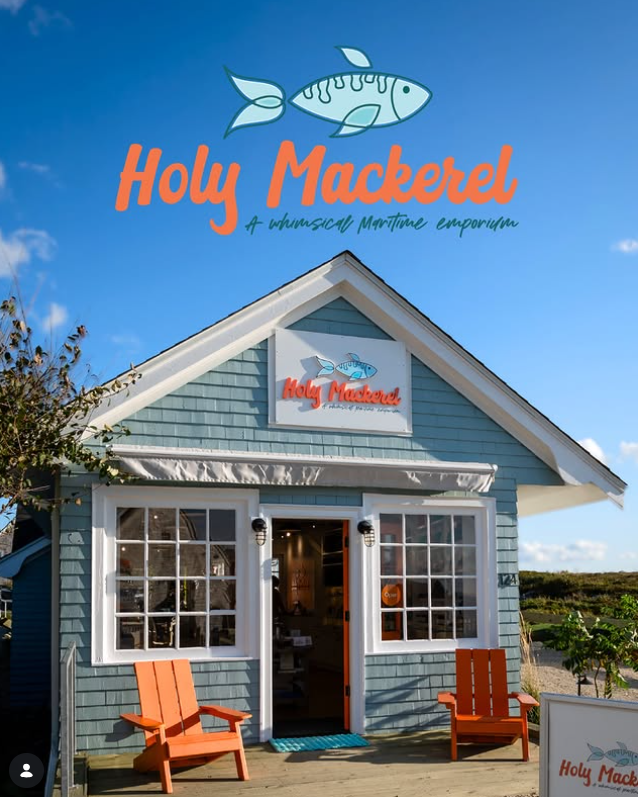
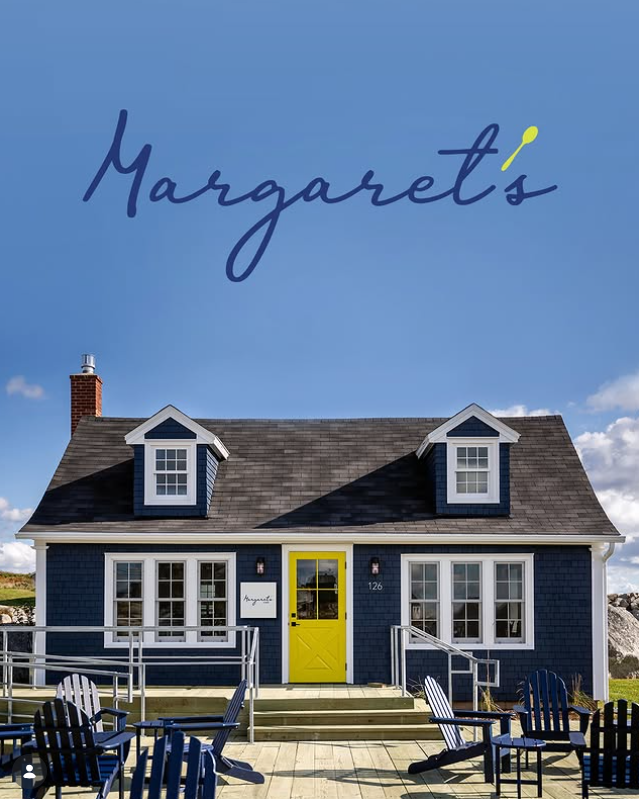
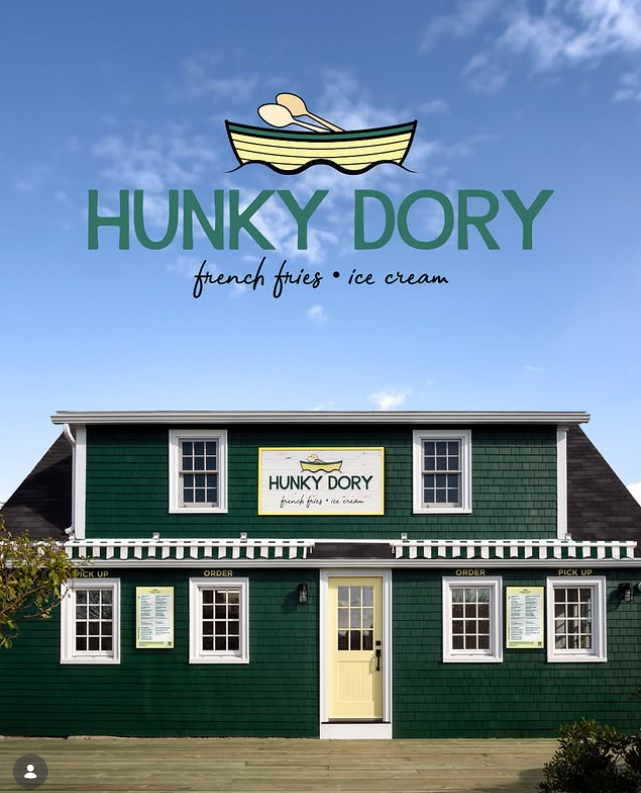
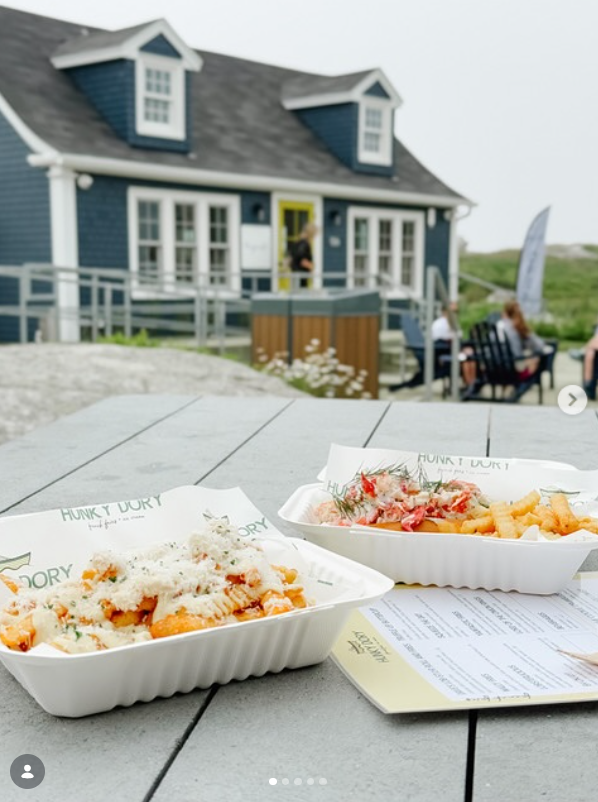
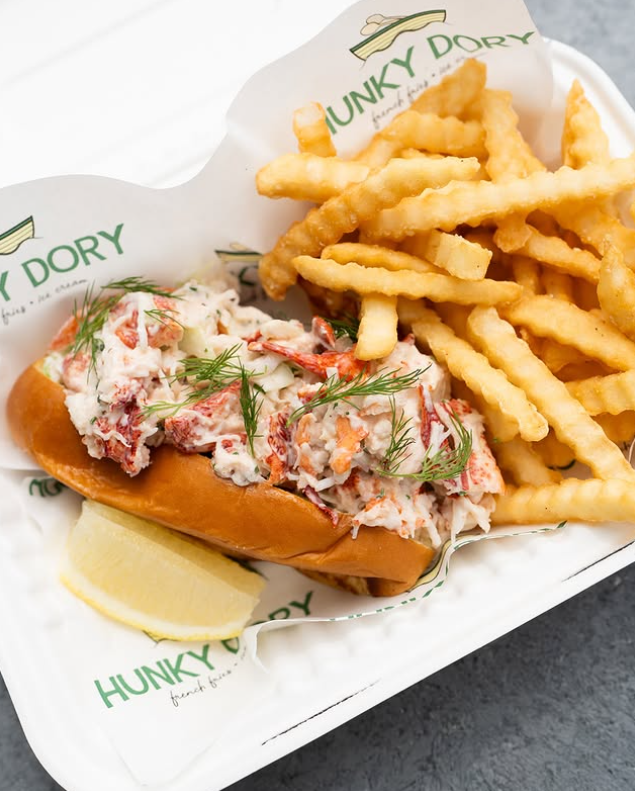
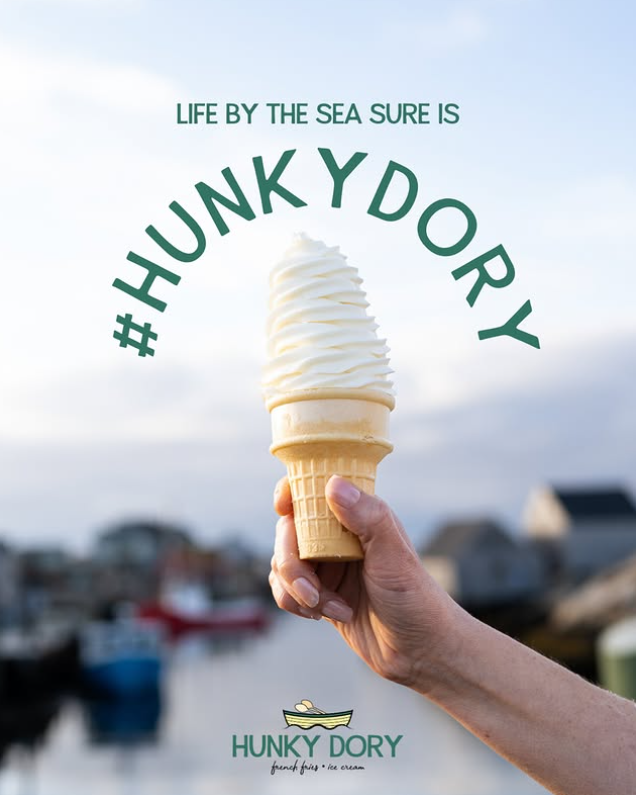
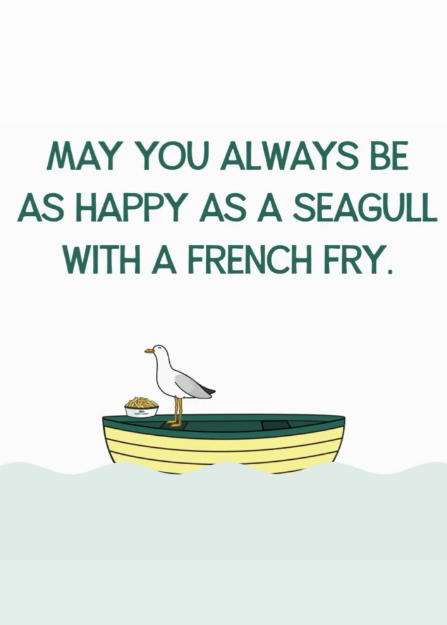
Hunky Dory is a quick-serve takeout spot offering gourmet French fry dishes and rolled soft-serve ice cream and Margaret's Cafe is a warm cafe built for the kind of visitor who wants to sit down with a book and a cup of tea to warm up after the chill coming off the ocean.
Both of these exist under the Six By The Sea banner but they’re not trying to be the same kind of place. However, a visitor who walks from one to the other should feel the connection without either business losing what makes it its own thing.
Each business required its own complete visual language: logo (expertly designed by a colleague of mine, Tara Joy, ahead of my time with Six By The Sea), menus, signage, social media templates, packaging, wayfinding signage, and, in the case of The Schoolhouse, a full suite of custom illustrations that travelled across event graphics and hotel communication collateral.
The on-site teams needed to be able to maintain all of it independently, which meant the standards had to be built with a non-designer in mind from the start. Maintaining brand standards is a challenge for anyone who hasn’t gone to school for graphic design, but keeping all six distinct without any of them drifting into each other’s visual style was the challenge at the centre of my time with Six By The Sea.
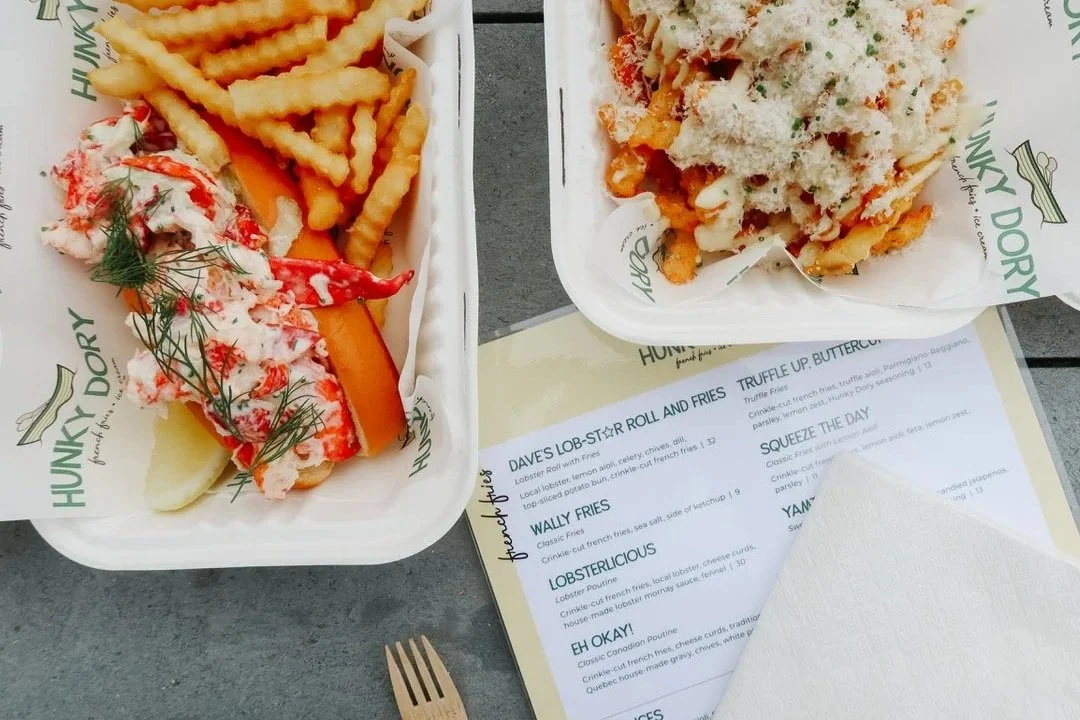
The proof that the brand standards we built worked was not having all six businesses launch and maintain their visual distinctions at scale for the two years I worked with them, which are still maintained by the marketing team now that we’ve moved on. Instead, it’s in the continued growth of the company without losing the things that make the restaurants themselves so popular in the first place.
My partner knows that when she visits this summer, the brand's standards that make it so comfortable for her to go will still be the same as they were last year. Which means, for Six By The Sea, both tourists and locals alike will return again and again and get the same service, with branded graphics online and on social media to keep them top-of-mind despite being an hour out of the city.
How to communicate your brand standards to your team
If you are getting ready to bring someone new into your brand, whether that is a designer, a marketing hire, a contractor, or a second location, there are a few things worth having in order before that conversation starts.
The logo is usually easily accessible and kept in a common location like a shared marketing drive. It usually includes:
Your colour values in every format a vendor will ask for, including HEX for web, CMYK for print, and PANTONE if your production work requires it.
Your fonts in a format that is actually usable, not just the name of the typeface.
Your logo in every variation you will actually need: full colour, single colour, reversed for dark backgrounds, and a version that works when it is very small.
Additional things to have ready to maintain your brand are:
Examples of your brand. Photos of vehicle wraps that have been done in the same folder as the design files.
Photos of existing collateral in case the person you’re onboarding hasn’t been to your location.
Social media template guidelines, including links to the files, whether they’re in canva or Adobe/Affinity design files.
An audience guide is helpful for large brands that have multiple buyer journeys. These can identify pain points and specific marketing hooks for multiple audiences, so designs can be effectively deployed across multiple audience segments.
Something to consider adding to your company guide to further your brand maintenance is a brand standard for client interactions. For example, the Double Tree Hotel includes offering a warmed cookie to every person entering the hotel upon approaching the front desk. It’s in the employee handbook as well as the brand guidelines, strengthening the brand standard overall.
As your brand grows, consider how employees will represent it. Without specific brand standards, they will find solutions to situations that will affect your brand reputation with what they know.


Source: Instagram
File Organization is often underestimated to the detriment of the brand
The last thing, and the most underestimated, is file organization. A brand standard is only as useful as its accessibility.
If the right file is difficult to find, people will use the wrong one, which is less a design problem than an operations problem that the marketing and design team has to account for.
A complete brand standard, built to be used, will include:
The logo suite in every format and variation
Colour values across every application
Typography with licensed files where required
Photography guidelines for both stock and brand-specific imagery
A defined brand voice with key phrases and tone guidance
Templates with links for the formats your team uses most
And increasingly, a set of AI prompt guidelines to ensure that even generated content stays within the brand's written language.
A further discussion on how the brand integrates with employees who use it should be brought to the operations manager as part of the brand project, so that the implementation of the brand moves from a guideline to a standard.
On staying consistent in maintaining a brand
When I married my wife, I made a specific set of vows. I promised her the rest of my lifetime, to kill any spiders she finds around the house, and to protect her peace. In our home, that means using my decades of branding experience to find experiences she can enjoy without her unique brain getting in the way.
After nearly 14 years together, our relationship has grown and changed in all the little situations and decisions we’ve made along the way. But the original promises we made to each other maintain what our marriage is throughout it all.
The same applies to maintaining a brand as it grows. A brand doesn't become memorable because of what was created at the launch of the business. It holds up because of every small decision made afterward, by people who weren't in the room when the original brand was built. Over time, those decisions accumulate into something an audience recognizes and returns to.
That is what brand standards are actually for, and it is the work I intend to keep doing for as long as I am able, alongside finding places my partner will love along the way. Those two commitments feel, to me, like one and the same.
If you’re looking for an experienced graphic designer to help establish a consistent brand for your business, drop me an email at the link below.