How to use AI without letting it use you
As a graphic designer with a focus on web design & branding, I end up in conversations about how AI is shaping the Graphic Design industry at every networking event I attend.
Recently, during an interview, I was asked how I use AI in my branding process. It was the first time I’d been asked that during an interview, and it made me reflect on how much things have changed in the nearly 20 years I’ve been working in this field.
With the explosion in popularity of generative AI programs, every designer has been feeling the pressure from this new and disruptive shift in the creative industry. During this period, I have also struggled to reorient myself within the creative process, and part of that has been to give AI a specific job without handing it the wheel. The other part has been figuring out the value proposition of my humanity within it.
In contrast, my partner is a Content Strategist and had AI as part of her processes within months of ChatGPT's public launch. Recently, she published an article called ‘Reflexive use of AI in marketing is making you the middleman in your own expertise,’ and the idea of being a middleman to my expertise struck a chord.
When it comes to building a meaningful, enduring brand identity, the professional designer still holds a clear advantage over generative AI, beyond the copyright issues.
The copyright issues
The copyright status of AI-generated content has been working its way through US and Canadian courts and has settled on the side of the creative industry.
Currently, copyright is reserved for human-made works. From writing to image generation, significant human involvement is required for a work to be copyright-eligible.
In this article, published March 6th 2026, the US Supreme Court declined to consider the copyrightability of artwork generated purely autonomously by artificial intelligence, leaving in place the “human authorship requirement” for copyright protection.
As a designer, part of my role in an increasingly AI-generated world has been protecting my clients' and my employers' interests in the creative process. That protection starts when pencil meets paper, with AI tasked with reducing friction during onboarding rather than being offered a seat at the table when sketching begins.
This protects businesses by ensuring the designs produced for them can be defended from outside use. AI earns its place in the onboarding process, not the creative one. The result is less time spent realigning and more time spent on the work that actually matters.
A relationship with authorship
Copyright aside, a great design is a product of collaboration. The most important work happens in that space between what a client asks for in the initial meeting and what their audience will need to understand from the final work.
Take logos, for example. Anyone can create a logo in Canva in a few minutes using pre-existing templates.
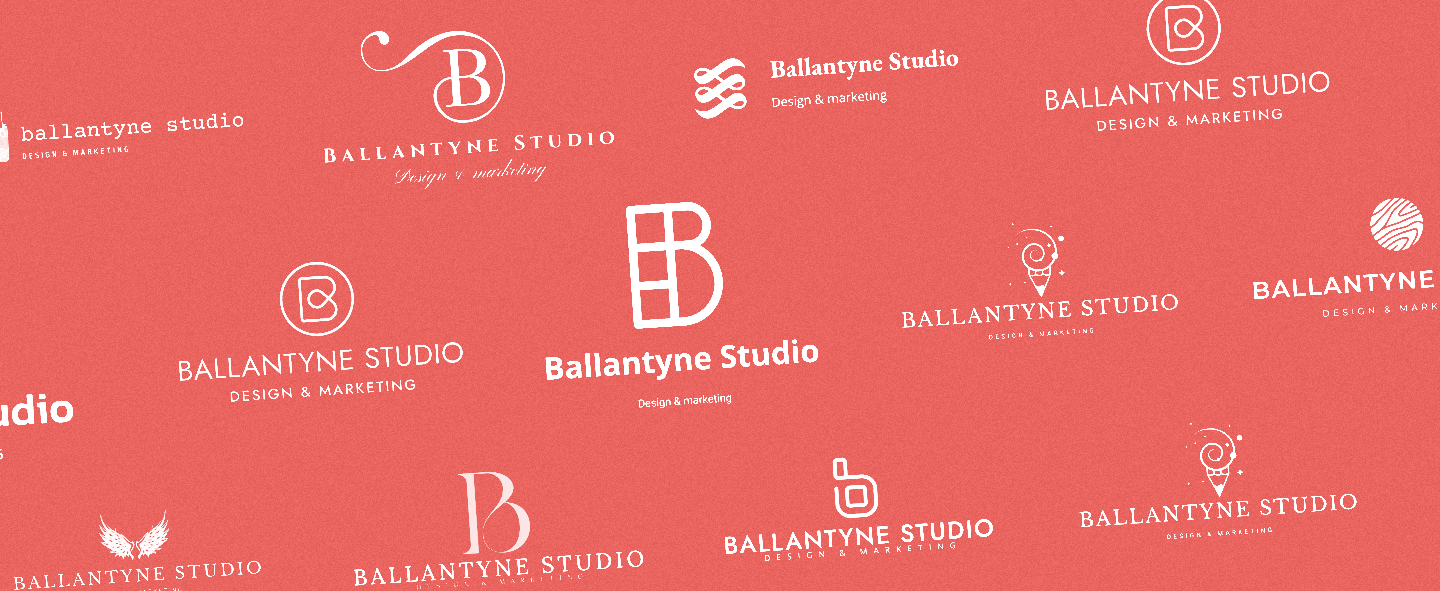
But a great logo starts with a client who understands their business, their audience, and their value, and a skilled designer who can take all of the client's thoughts and values and distill them into a wordmark or icon that communicates that value at a glance.
There is a place for AI in situations where there isn’t time or budget to work through the process without assistance. AI can be used to summarize meeting notes, research the industry's competitive landscape, identify the intended audience's pain points, and reduce time-consuming target-audience interviews. AI can be a partner in building a paper trail of decisions that creates a strong foundation of understanding between the client and the designer.
That foundation sharpens the creative brief, keeping both sides aligned. But once it’s been signed off by the client and the communication channels are established, that’s when the designer takes over the process in full.
A designer with a strong foundation in design principles is key to developing a logo that effectively communicates a business’s story to its customers. A good designer is adept at playing in the negative space of a logo and finding the leverage to make it unique and memorable.
AI tools that generate logos without a designer involved in the process deliver a static result, leaving the burden of refinement on the prompter, who may not have the design skills or understanding to improve it effectively.
Working with a professional designer, you gain a creative partner who can explain decisions, defend choices, and adjust the work based on your needs. There is dialogue, collaboration, and a guarantee that the result is legally and ethically sound with respect to originality.
In a world increasingly saturated with automated output, these qualities are more valuable than ever.
Designing for the Real World
An experienced designer considers how their work will live in the physical world. And that cannot be replicated by AI, which generates content without empathy for the audiences the design is intended for.
Before putting pen to paper for the initial sketches of any design, my 30+ years of living in a world surrounded by design come into play. There is an established methodology for the way a piece of collateral, a website or a logo will need to live in the world that comes from lived experiences. It comes from noticing a billboard on the drive to work, feeling the matte texture of a business card at a networking event, touching an embroidered jacket and making a decision about what brand you’re comfortable living your daily life in. These are not things that an AI program can understand without being explicitly told.
This method helps identify the visual language necessary to communicate not only what a product or service is, but a brand's values, its story and its personality to the intended audience. We listen to what the client is saying and listen for what they may be missing from the bigger picture.
Generative AI creates content for the immediate prompt. If the user doesn't know all the ways their request needs to live in the world, it will deliver a result that feels generated without empathy for lived experiences of the target audience. And audiences notice: according to Sprout Social's State of Social Media 2026, 83% of consumers encounter AI-generated content on social media at least sometimes, and 56% see it often or very often. It shapes how audiences feel about the brands behind it; it’s worth a read to see how audiences are reacting to its use if you currently generate content for online consumption.
As professional branding designers, we take the time to learn about a business and the competitive landscape before it. Leading to design that targets a specific problem for a nuanced, human audience.
A signifier of quality
In a world where AI-generated slop is becoming more prevalent, knowing that a business worked with a graphic designer provides value outside of just receiving the final product. A professional designer is invested in the brand, taking time to understand the backbone of the business: how it started, where their values are grounded, the passion that gets them up in the morning.
A skilled designer understands what makes a brand unique and translates that into visual storytelling that captures the imagination of their audience.
This storytelling shapes how customers will view a brand before they even engage with the offering. AI-generated imagery, while efficient, is not rooted in human experience and cannot communicate to the pain points of a human audience.
I would argue that the real investment in working with a professional is the payoff in trust you get from your audience and the security of building your brand in a way that is defensible against copyright infringement.
Think about the last time you encountered AI-generated imagery online or in the real world. What did you think of the brand that did it? Whether it was a positive interaction or not, the data is in, and consumers are voting with their wallets. According to Adobe's 2026 AI and Digital Trends report, one-third of consumers will stop engaging with a brand entirely once they discover its content was AI-generated rather than human-made. That’s a third of your audience gone.
While AI has been a disruptor in my life as a creative, the answer isn’t to avoid it entirely. My answer has been to find a place for it that serves my clients and employers, without settling for less than the work deserves.
Communication is something I am always working on, because as a designer, it’s where any issue in the creative process stems from. AI has its place in the process to shore up communication within teams and between creatives and their clientele.
When I don’t understand a point a sales rep is making, I can get additional background information through a Claude query that brings me onto the same page without causing friction within the team. And if I need to defend a design choice to a client in a way they can understand without feeling undermined, I can check my response before sending.
In the world of design, AI can help onboard clients and reduce the friction from the volume of external communication and collaboration required for a really great design. But once pencil meets paper, it’s time to put it in the back seat, because a machine has no story to add to the process of sharing brand values through visual communication.
If you're navigating where AI fits into your design processes without compromising the brand you've built, I'd be glad to have that conversation.